Social Space

SECRET AGENT SOCIETY (SAS)

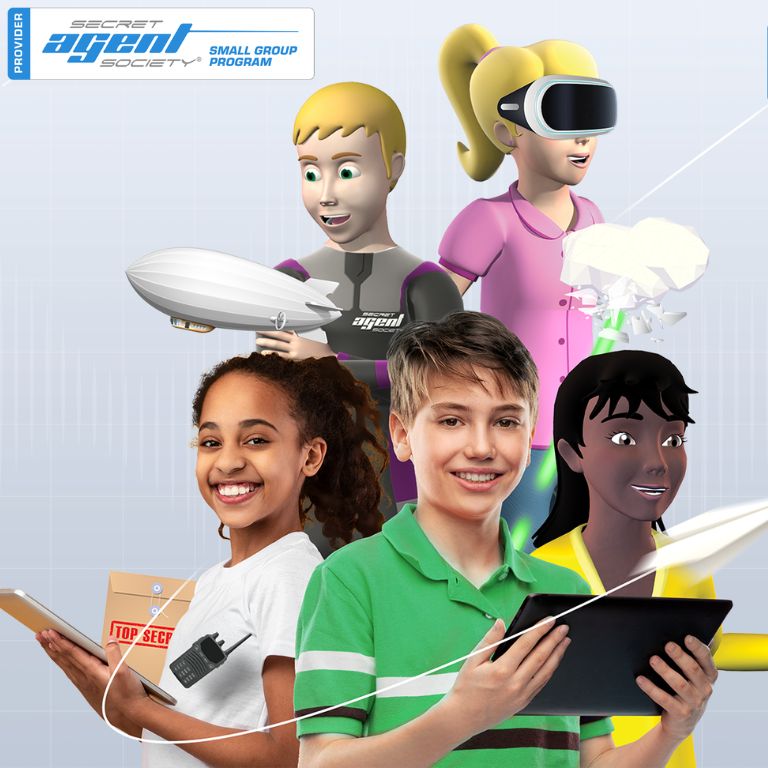
At The Social Space Psychology Clinic, we recruit children aged 8–12 to take on the role of Junior Detectives in SAS. Through missions, games, and interactive challenges, children learn to recognise emotions, communicate effectively, manage anxiety and anger, and build friendships.

The program includes:

  • Child group sessions for targeted skill-building
  • Parent sessions for coaching strategies to reinforce skills at home
  • Teacher collaboration to support learning in school environments
  • Digital Headquarters with four levels of gamified missions, journals, and resources
  • Reward systems to encourage progress at home and school

Unlike many other programs, SAS:

  • Teaches emotion recognition before social interaction skills
  • Uses step-by-step formulas for targeted development
  • Adapts content to each child’s abilities and family context
  • Features award-winning games, gadgets, and visual supports
  • Focuses on generalisation of skills into everyday life
  • Is supported by over 19 research publications

This playful yet evidence-based approach makes SAS one of the most recognised and effective child social skills programs in Sydney.

Skills Covered

Junior Detectives practise how to

Emotion Management

  • Recognise and express emotions appropriately
  • Manage anxiety, anger, mistakes, and change
  • Develop self-awareness, strengths, and personal goals

Communication Skills

  • Communicate and cooperate with others
  • Understand jokes, accidents, and bullying
  • Prevent teasing and manage conflict

Co-operative Play & Teamwork

  • Build, maintain, and repair friendships
  • Work as a team and solve problems

Skills Covered

Junior Detectives practise how to

Participation Requirements

  • High functioning neurodiverse clients or individuals experiencing social difficulties
  • Aged 8-12 years
  • Not experiencing significant emotional or behavioural challenges
  • Motivated to participate in the program

Why It Matters

Children with autism, ADHD, or social-emotional challenges often struggle to make and keep friends, leading to isolation, anxiety, and difficulties at school. SAS gives them a safe, fun, and structured way to learn the skills they need for friendships, confidence, and resilience.

Friendships made in childhood form the foundation for long-term wellbeing, independence, and belonging. With SAS, children don’t just learn to cope—they learn to thrive.

Proven Results

Over 15 years of research across Australia, the USA, Europe, and Canada confirms SAS’s effectiveness.

  • Clinic-based RCT: 76% of children with Asperger’s improved to the typical range of social functioning (Beaumont & Sofronoff, 2008).
  • School-based evaluations: Gains in social and emotional skills lasted up to a year post-program.
  • International studies: Benefits found for children with Autism, ADHD, and Anxiety, with improvements sustained at follow-up.
  • Broad effectiveness: SAS helps children with diagnoses, learning difficulties, or simply social challenges.

With over 19 publications and 4 randomised controlled trials, SAS is one of the world’s most evidence-based social skills programs for children.

Participation Requirements

  • High functioning neurodiverse clients or individuals experiencing social difficulties
  • Aged 8-12 years
  • Not experiencing significant emotional or behavioural challenges
  • Motivated to participate in the program

Why It Matters

Children with autism, ADHD, or social-emotional challenges often struggle to make and keep friends, leading to isolation, anxiety, and difficulties at school. SAS gives them a safe, fun, and structured way to learn the skills they need for friendships, confidence, and resilience.

Friendships made in childhood form the foundation for long-term wellbeing, independence, and belonging. With SAS, children don’t just learn to cope—they learn to thrive.

Proven Results

Over 15 years of research across Australia, the USA, Europe, and Canada confirms SAS’s effectiveness.

  • Clinic-based RCT: 76% of children with Asperger’s improved to the typical range of social functioning (Beaumont & Sofronoff, 2008).
  • School-based evaluations: Gains in social and emotional skills lasted up to a year post-program.
  • International studies: Benefits found for children with Autism, ADHD, and Anxiety, with improvements sustained at follow-up.
  • Broad effectiveness: SAS helps children with diagnoses, learning difficulties, or simply social challenges.

With over 19 publications and 4 randomised controlled trials, SAS is one of the world’s most evidence-based social skills programs for children.

Program Structure

Duration

9 weeks

Format

Weekly 90 minute Child Sessions, followed by weekly 30 minute Parent Sessions

Activities

Engaging resources including digital games, board games, role-plays, and gadgets. Practice missions and earn rewards to transfer learning into the real world

Parent/Carer Involvement

Parents/Social Coaches to attend weekly 30 minute sessions to support ongoing success

The Secret Agent Society Program

SOCIAL & EMOTIONAL SKILLS

Secret Agent Society (SAS-SG).

Social Skills & Emotional Regulation Program for Children Aged 8–12

Secret Agent Society (SAS) is an award-winning, evidence-based social and emotional skills program developed by the Social Skills Training Institute, designed for children aged 8–12 years. In this structured small-group program, children become “Junior Detectives,” engaging in interactive, gamified learning to develop emotional regulation, social understanding, and friendship skills.

Through a combination of guided sessions, a digital “Headquarters,” real-life practice missions, and a structured reward system, children learn practical strategies to recognise and manage emotions, build confidence, and navigate social situations more effectively. Skills are reinforced across home and school environments, supporting meaningful, lasting improvements in everyday functioning and connection.

Children engaging in a group activity
EVIDENCE-BASED
ENGAGING & INTERACTIVE
NEUROAFFIRMING
REAL-WORLD SKILLS

Why This Program Matters

Many children experience challenges with friendships, emotional regulation, or navigating social situations, which can impact confidence, school engagement, and overall wellbeing.

SAS provides a safe, structured, and highly engaging environment where children don’t just learn about social skills - they actively practise them. By building emotional understanding first, children develop a strong foundation for meaningful friendships, resilience, and long-term wellbeing.

Parent Involvement

Parents are an essential part of the SAS program and attend every session. You will receive guidance, strategies, and resources to support your child in practising and applying new skills in everyday life, helping to maximise outcomes across home, school, and social environments.

Practical Information

  • Age Range 8–12 years
  • Eligibility Suitable for children with social and emotional challenges, including Autism, ADHD, and anxiety
  • Funding NDIS (self & plan-managed), Medicare and private options
  • Schedule Saturdays 9am (every school term)

Is This the Right Fit?

This program may be suitable if your child:

  • Finds it difficult to make or maintain friendships
  • Experiences anxiety, frustration, or emotional outbursts
  • Struggles to understand social cues or group dynamics
  • Has difficulty coping with losing, mistakes, or change
  • Would benefit from building confidence in social situations
  • Enjoys interactive, game-based learning experiences

Program Structure

  • DURATION 9 weeks
  • FORMAT 90-min child session + 30-min parent support component
  • GROUP SIZE Small group setting for individualised support
  • INCLUSIONS Digital Headquarters, missions, games, and structured reward system
  • COLLABORATION Ongoing support with parents and (where appropriate) schools

Skills Developed

Participants develop practical, real-world skills across:

Emotional Awareness & Regulation

  • Recognising and understanding emotions
  • Managing anxiety, anger, and frustration
  • Expressing feelings appropriately

Social Understanding & Communication

  • Reading social cues and body language
  • Understanding jokes, accidents, and intent
  • Navigating conversations and peer interactions

Friendship & Social Problem-Solving

  • Building and maintaining friendships
  • Resolving conflict and repairing misunderstandings
  • Managing teasing and bullying

Resilience & Confidence

  • Coping with mistakes and transitions
  • Developing self-awareness and personal goals
  • Building confidence in social environments

What Makes This Program Different

  • Evidence-based program with strong clinical outcomes
  • Engaging and interactive mission-based learning that motivates participation
  • Focus on emotional regulation before social skill development
  • Step-by-step strategies children can apply in real life
  • Neuroaffirming approach that builds on individual strengths
  • Involvement of parents and teachers to support generalisation
  • Structured system to practise skills across home and school environments

Expected Outcomes

Participants and families often notice:

  • Increased confidence in social situations
  • Improved emotional regulation and coping skills
  • Stronger communication and friendship skills
  • Reduced anxiety and frustration
  • Greater independence and resilience

Modes of Delivery

This program is available through flexible delivery options:

  • FACE-TO-FACE (Mascot Clinic) Structured, engaging sessions in a supportive in-person environment
  • ONLINE (Telehealth) Accessible and flexible delivery while maintaining engagement and outcomes
  • SCHOOL-BASED DELIVERY Adapted to school settings to support real-world application and collaboration with educators

Not Sure If This Is the Right Fit?

Choosing the right program can feel overwhelming. Our team is happy to talk through your child’s needs and help determine whether Secret Agent Society is the most appropriate fit or guide you toward the best support option.

Ready to support your child’s confidence, emotional wellbeing, and social skills?

Contact our team to learn more or secure a place in the next Secret Agent Society group.