
PEERS® for Preschoolers
Ages 4–7
An evidence-based social skills program for young children, focusing on foundational friendship, communication and play skills, with parent involvement as part of the program model.
Group Programs
Our group programs bring children, teenagers, young adults and parents together for structured learning, shared experiences and practical activities.
Programs vary in their focus, format and evidence base, with areas including friendships and communication, emotional wellbeing, anxiety, self-understanding, parenting and everyday skills.
Facilitated by psychologists, sessions combine structured learning with opportunities for discussion, practice and participation alongside others.
Enrol Early and Save $250
Receive $250 off the total program price when you attend the initial consult and enrol at least 4 weeks before your program’s start date. Term 1 2027 programs start from Tuesday 2 February. Excludes holiday workshops.
Explore Programs Book a Free Consultation

Why Groups?
Group programs can provide opportunities that are different from individual therapy. Participants can learn alongside others, explore strategies and practise skills within structured, supported situations.
Explore practical strategies and new skills.
Try skills within structured, real-time situations.
Participate alongside others with shared goals or experiences.
Explore ways to use learning beyond the group environment.

A positive group experience depends on more than age. Depending on the program, we may consider the participant’s goals, developmental stage, communication preferences, support needs, interests and whether the particular group environment is likely to be an appropriate fit.
Group composition may also be considered so that the program environment is appropriate for the people taking part.
For programs that include parent or carer involvement, families may also be given information and strategies to support practice between sessions and in everyday life.
Our Group Programs
Explore our structured programs for children, teenagers, young adults and parents across social connection, communication, emotional wellbeing and practical skill development.
Ages 4–7
An evidence-based social skills program for young children, focusing on foundational friendship, communication and play skills, with parent involvement as part of the program model.
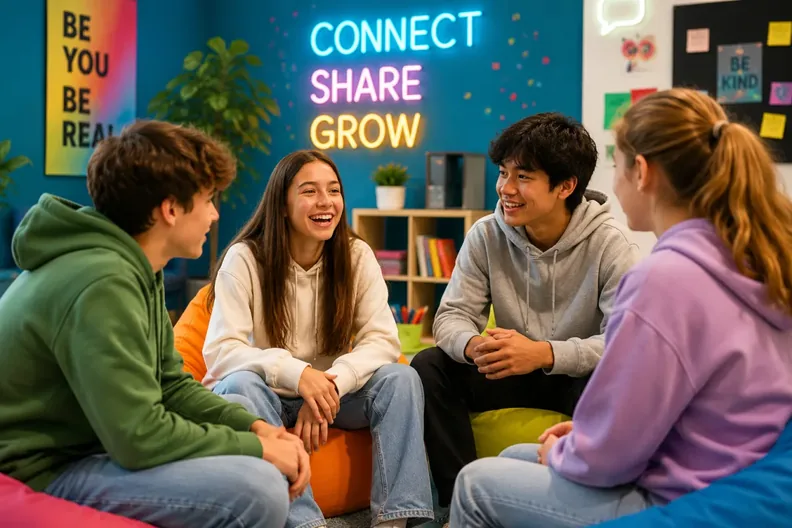
Year 7+ (typically 13–17)
An evidence-based social skills program introducing practical strategies for friendships, conversations and common social situations, with parent or carer involvement as part of the program model.

Ages 18–35
An evidence-based program exploring practical strategies for friendships, communication, social connection and relationships.

Ages 8–12
A structured social-emotional program using a secret-agent theme to explore recognising and regulating emotions, social problem solving and everyday social situations, with parent support as part of the program.
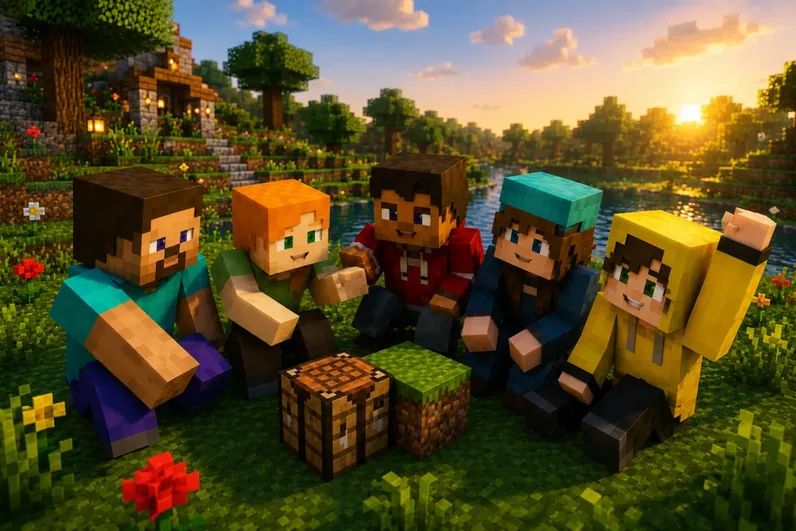
Ages 7–12
A structured group program using Minecraft® as a shared interest for activities involving communication, teamwork, flexible thinking, problem-solving and collaboration.

Ages 4–6
A developmentally appropriate program introducing young children to emotions, feelings language and early regulation concepts through play, stories and visual activities.
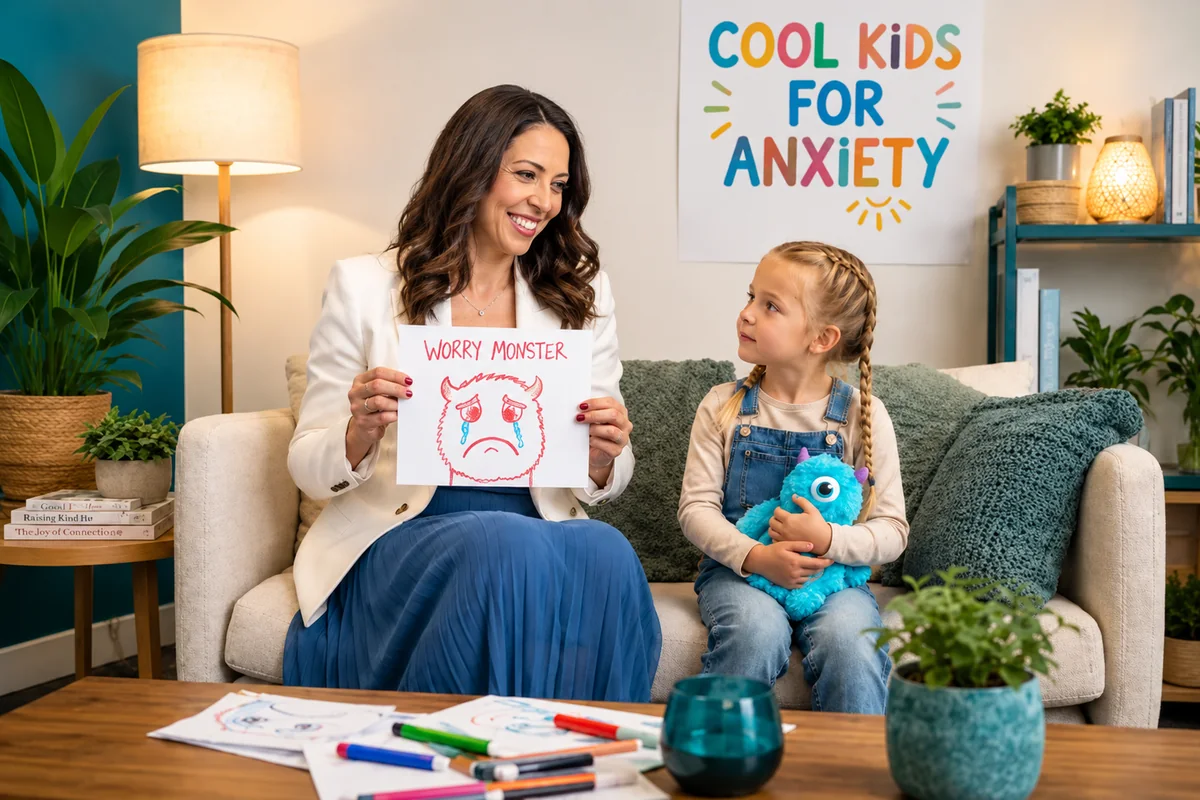
Ages 7–12
An established anxiety-management program for children, exploring how anxiety works and introducing practical strategies for responding to worries and fears, with practice between sessions. The Autism Spectrum Adaptation is planned, not currently running.
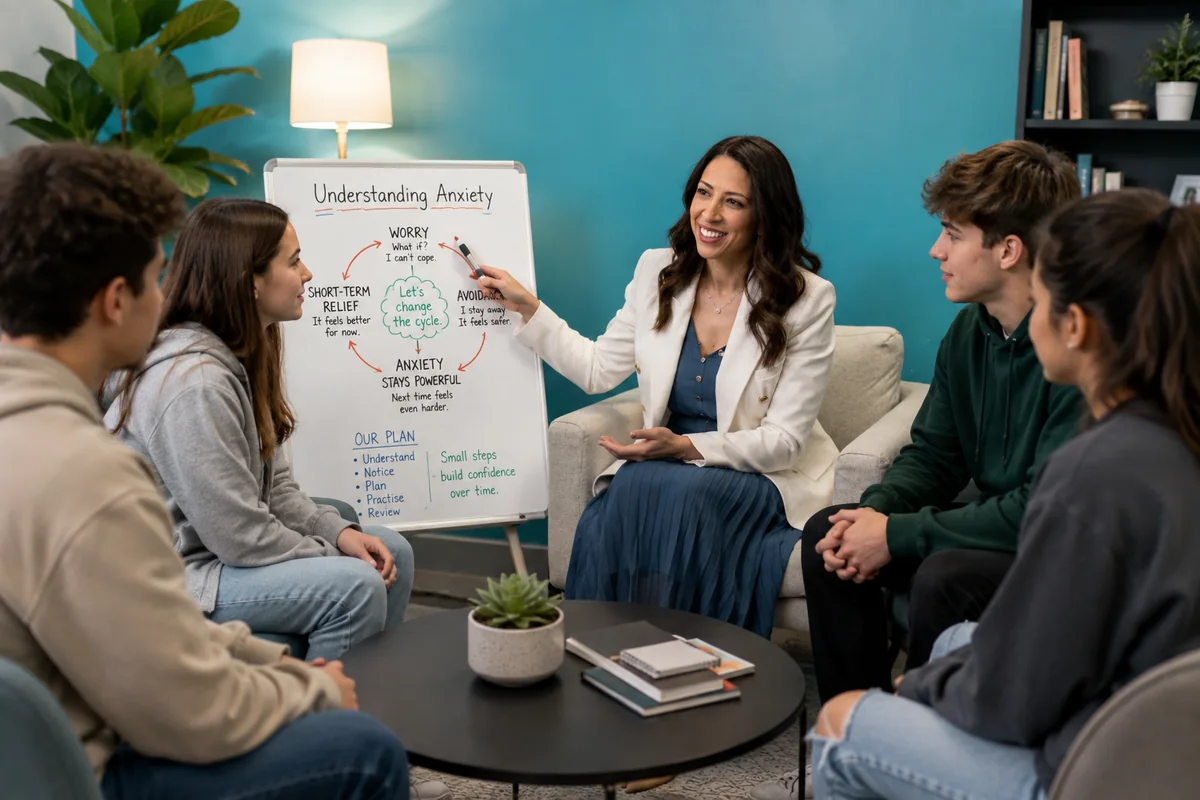
Ages 12–17
The adolescent version of Cool Kids® — the same CBT framework, with examples and material pitched at teenagers. Not currently running; register your interest.

Ages 13–17 & 18+
A neurodiversity-affirming program for neurodivergent participants, exploring stress, individual needs and practical ways of responding to overwhelm, drawing on Acceptance and Commitment Therapy principles.
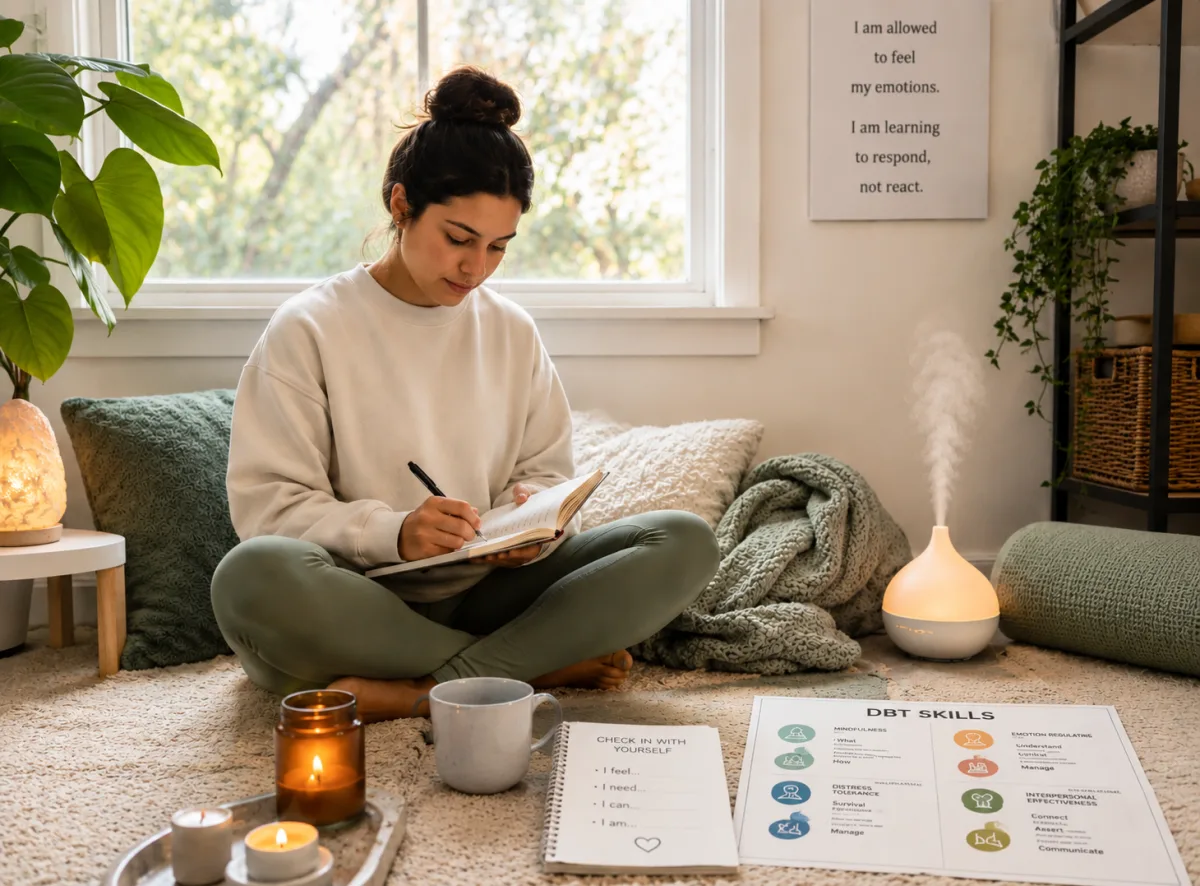
Ages 16–30
A practical skills-based program developed within The Social Space, drawing on Dialectical Behaviour Therapy principles and adapted with neurodivergent young people and families in mind. Sessions explore areas including emotional regulation, distress tolerance, communication and coping.

Parents of teens aged 10–17
A parenting program focusing on understanding and responding to teenagers' emotions, emotional connection, communication and practical emotion-coaching strategies for everyday family life.
Understanding the Evidence
The programs offered at The Social Space vary in their purpose, format and evidence base. Some are established programs with published research, while others draw on broader psychological approaches or have been developed or adapted within our clinic.
Where research is relevant to a particular program, we explain this on the individual program page and distinguish between evidence for the broader approach and evidence for the specific program or adaptation being offered.

Looking for Something More Social?
For children and teenagers looking for an interest-based social environment rather than a structured psychological group program, Gaming Club brings participants together around gaming, technology and shared activities.
It is one of our Social Clubs.
Explore Gaming ClubFlexible Delivery
Selected programs are delivered in small groups at our Mascot clinic.
Selected programs can be delivered within school environments, providing access to structured group learning within a familiar setting.
Some programs are available via telehealth, allowing participants to join structured facilitated sessions from home.
Availability and delivery format vary by program and intake. Program fees, Medicare rebates and funding options are set out on our Fees & Funding page.
Not Sure Which Program to Explore?
Start With a Conversation
You don’t need to know which program is the right starting point before contacting us. Tell us a little about the person’s age, interests, goals and what you’re looking for, and our team can explain the available programs and their participation requirements.
View Upcoming Programs Ask About a Group Program Book a Free Consultation