

Individual Therapy
Individualised psychological therapy for children, teenagers and adults, with support tailored to the person's needs, goals and circumstances.
Psychology Services
Psychological support can look different for different people.
At The Social Space, we provide individualised psychology services for children, teenagers and adults, with support shaped around each person's needs, strengths, circumstances and goals.
Whether you’re considering individual therapy, psychological assessment, a structured program or another form of support, our team can help you explore the available options and consider what may be relevant to your needs.
Explore Therapy Book a Free Consultation
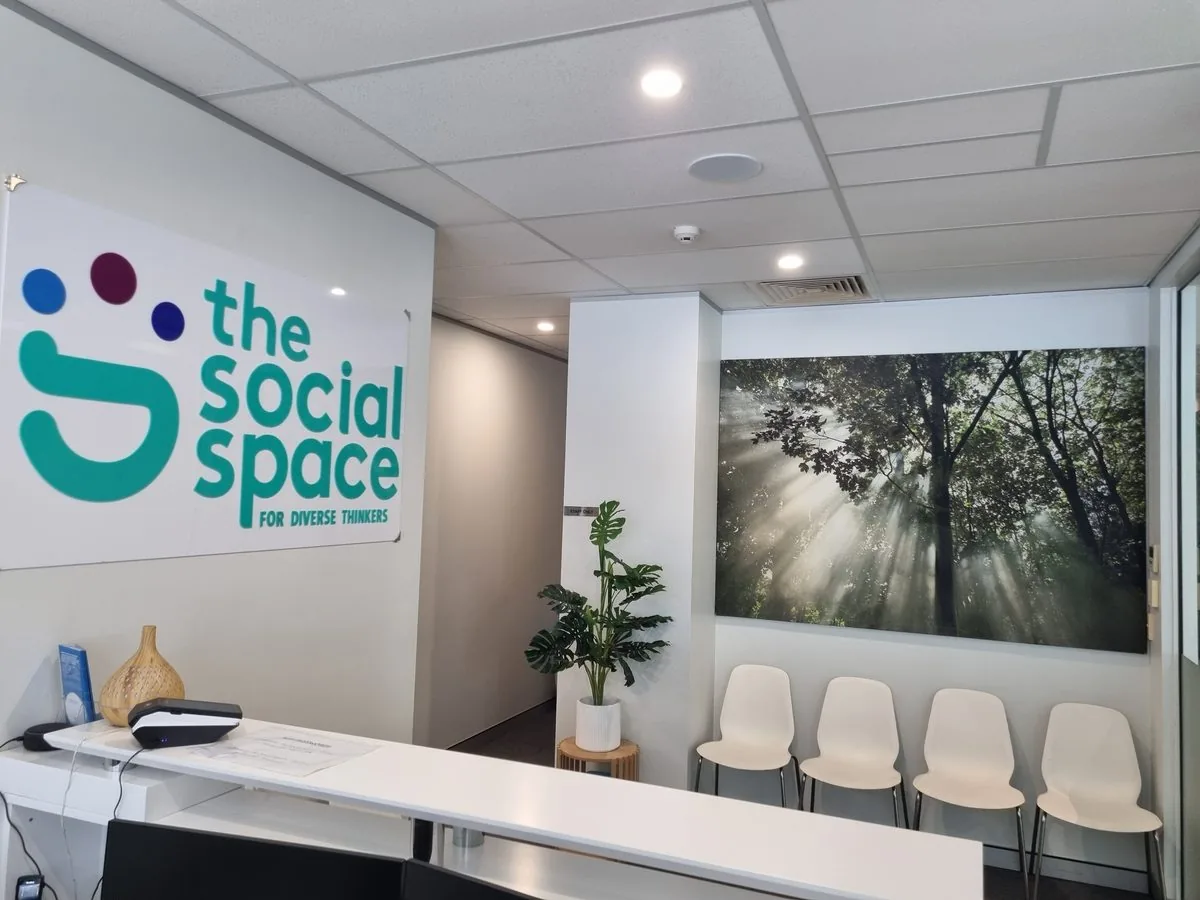
Individual Psychological Care
Individual therapy begins with understanding the person rather than applying the same approach to everyone.
Our psychologists consider factors such as age, developmental stage, presenting concerns, strengths, preferences, relationships, environment and goals when planning psychological support.
Depending on the individual, therapy may explore areas such as:
For children and young people in particular, therapy may incorporate play, movement, games, interests, technology and practical activities where clinically appropriate.
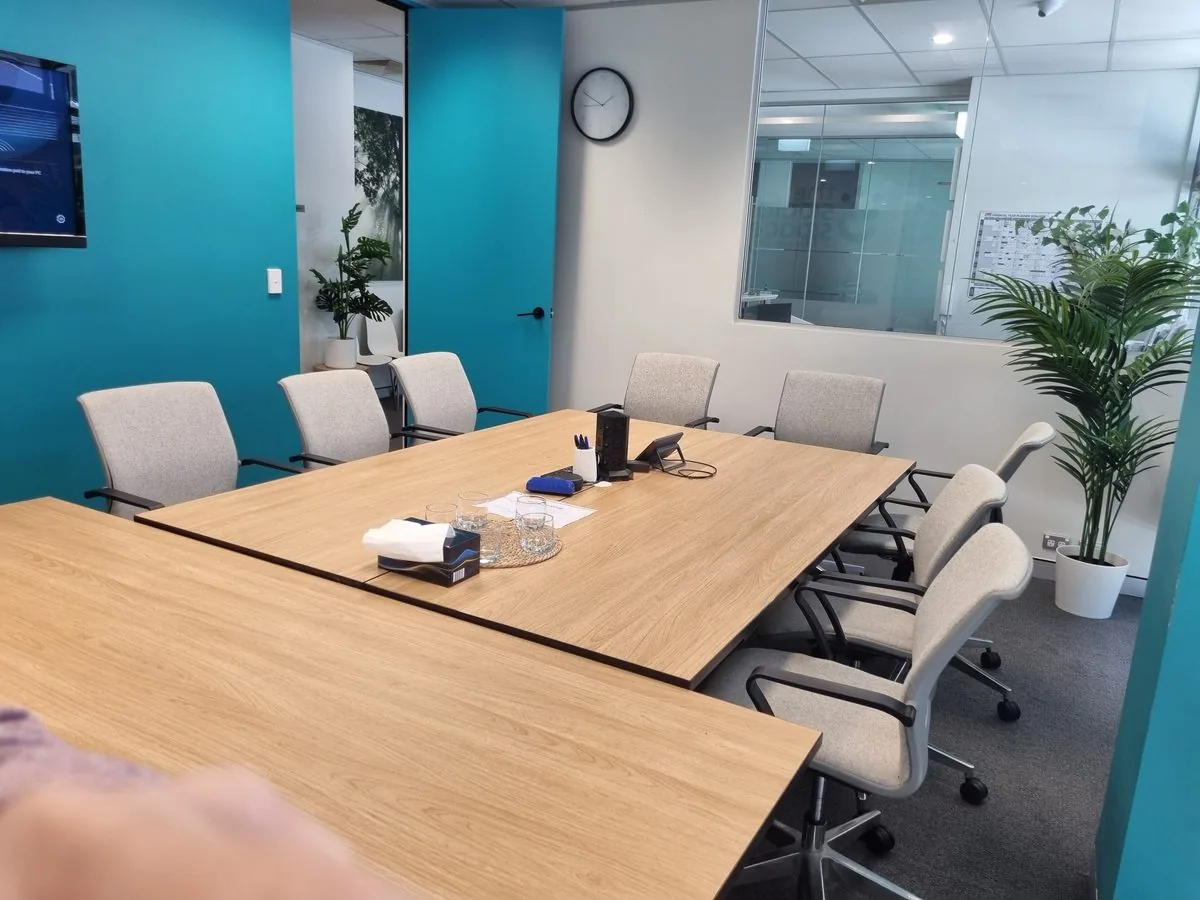
Understanding the Whole Picture
Psychological assessment can provide information about an individual’s pattern of strengths, areas of difficulty and support needs.
Where appropriate, assessment may explore questions relating to autism, ADHD, cognitive functioning or other areas relevant to the referral question.
Assessment findings may also inform practical recommendations for home, school, work or other environments, depending on the purpose and scope of the assessment.
Explore Our Services
Individualised psychological therapy for children, teenagers and adults, with support tailored to the person's needs, goals and circumstances.
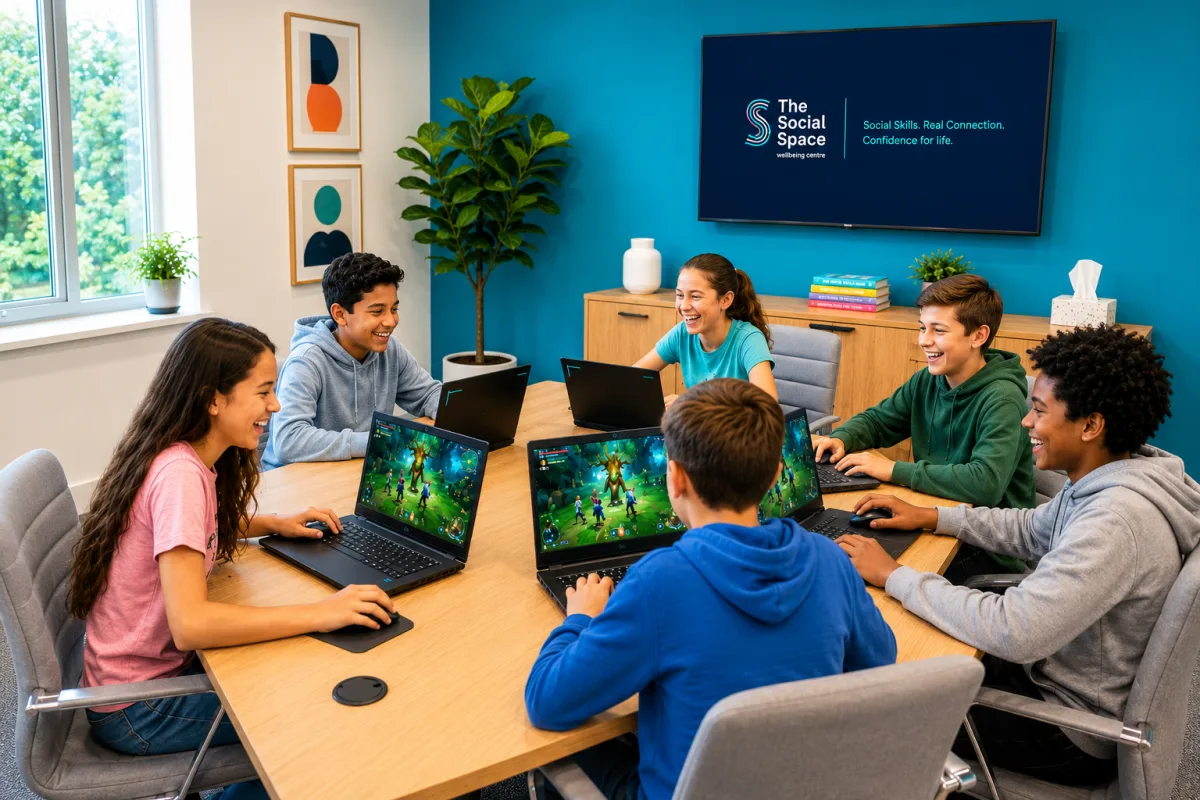
An interest-based social group where children and teenagers can play, create and connect around shared interests in gaming and technology.

Structured group programs exploring areas such as friendships, communication, emotional wellbeing, anxiety, self-understanding and everyday skills.
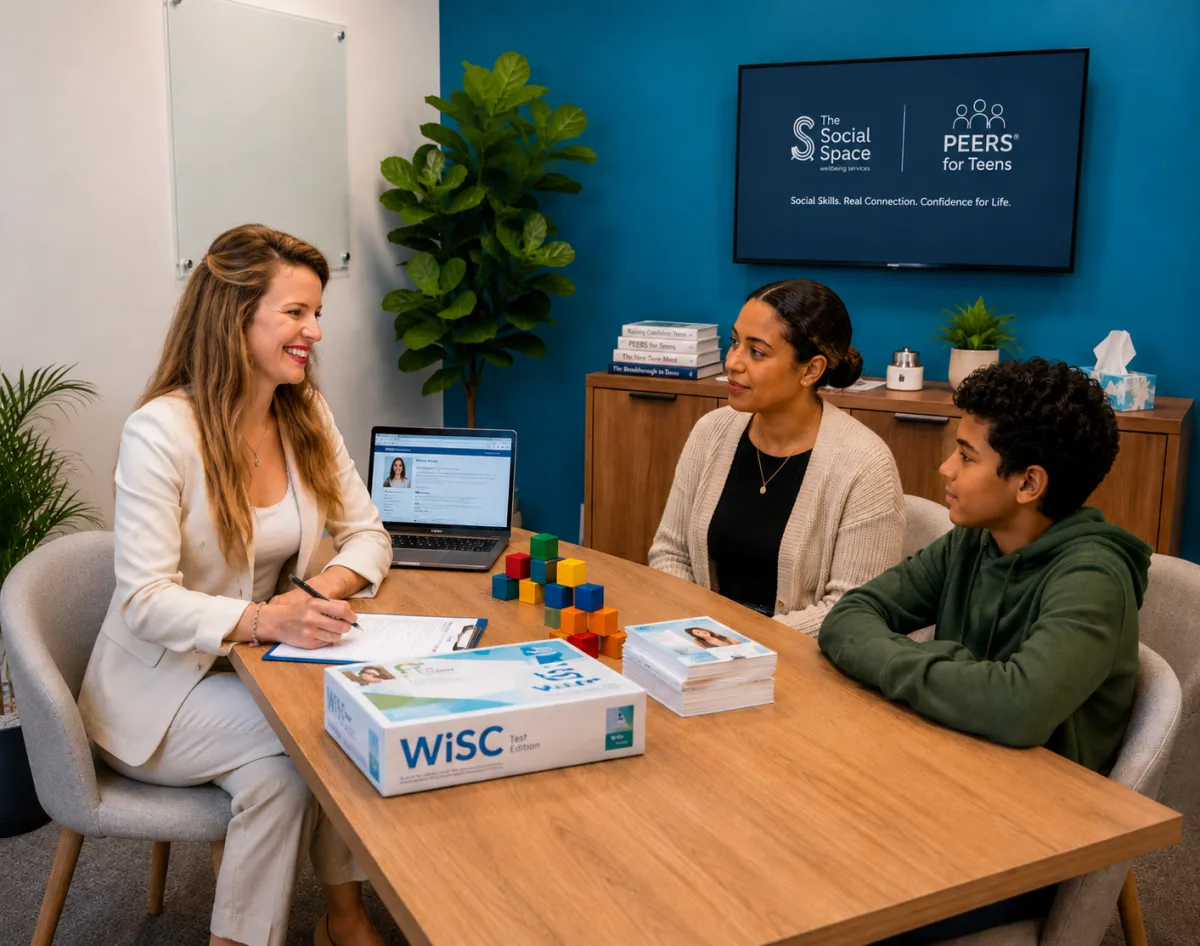
Psychological and diagnostic assessments exploring areas such as autism, ADHD, cognitive functioning, strengths and support needs, with practical recommendations where appropriate.
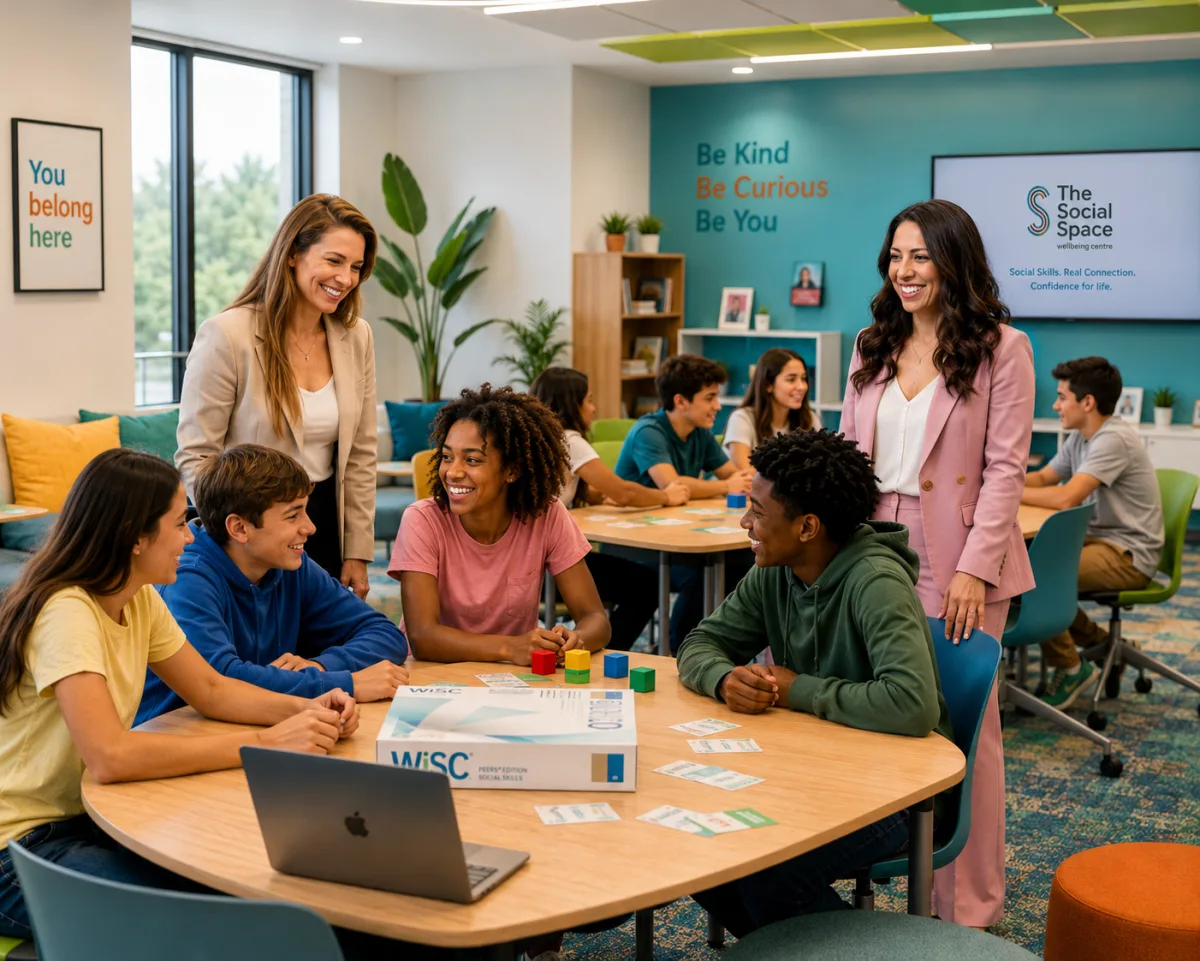
Programs and workshops for schools and community settings exploring areas such as wellbeing, relationships, transitions, neurodiversity, self-advocacy and inclusion.

Focused workshops providing opportunities to explore practical skills and strategies around friendships, relationships, wellbeing, transitions and shared interests.
Beyond Individual Therapy
Individual therapy can be an important form of psychological support, but it is not the only setting in which learning, practice and participation can occur.
Depending on the person and their goals, other opportunities may also be relevant — such as practising communication within a structured group, preparing for a transition, learning alongside other parents or participating around a shared interest.
These services do not represent a fixed pathway. Different people may access different forms of support at different times.

Our Approach
Having different forms of psychological support within the same clinic means the support can change as circumstances do.
A child may begin with individual therapy and later join a structured group. A teenager may access a focused workshop during an important transition. A family may seek assessment to better understand their child’s needs. Equally, someone may only ever need one of these services.
Our role is not to move people through a predetermined pathway. It is to provide different evidence-informed options and work collaboratively to consider what may be useful for the individual at that point in time.
“The right support is not always one service. It is having options that can respond to the person, their goals and the environments that matter to them.”