
Social Clubs at The Social Space
Connection Starts With Something You Enjoy
For some children and teenagers, the social world can feel busy, unpredictable and exhausting. School playgrounds, large groups and unstructured social situations can involve a lot to process at once — who to talk to, what to say, when to join in and what everyone else expects.
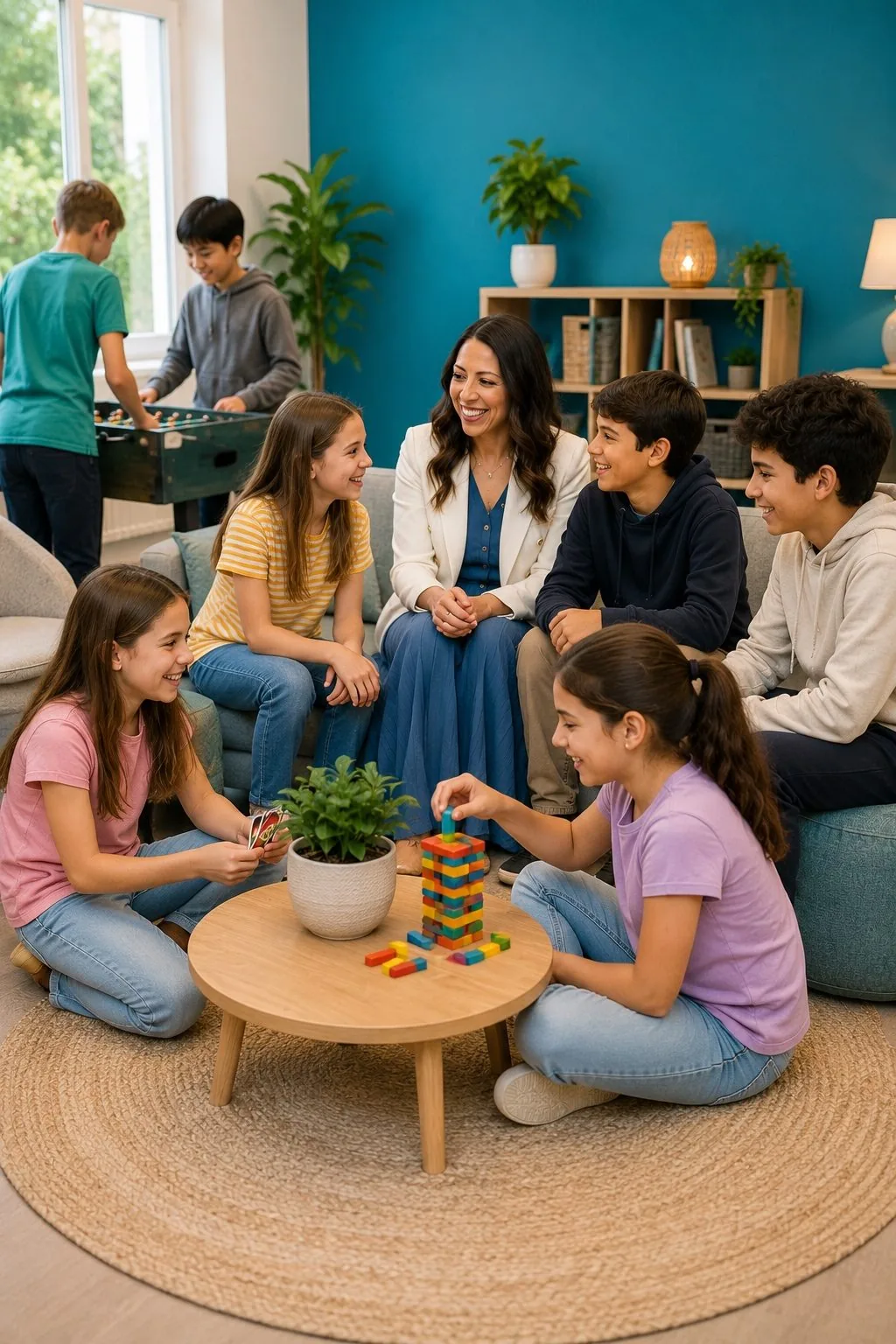
Our Social Clubs offer another starting point. Small, structured groups bring people together around something they already enjoy. Gaming. LEGO. Art. Movement. Instead of making socialising the activity, the shared interest gives participants something to do alongside one another — and connection has room to develop from there.
Sometimes the easiest place to begin is simply: “We both like this.”
A Different Starting Point
Taking Some of the Pressure Out of Connecting
Traditional social situations often expect a young person to work out what to talk about before a connection has even begun. Shared interests provide common ground from the start. When everyone has chosen to be there because they enjoy the activity, there is already something to talk about, something to work on, something to show someone, something to laugh about — or simply something to do while being alongside other people.
The aim is not to manufacture friendship. It is to create the conditions where interaction can feel more natural, predictable and comfortable.
Who They’re For
For Young People Who Prefer Connection With a Little More Structure
These groups may appeal to young people who:
Find large or unpredictable social environments overwhelming
Feel more comfortable in smaller groups
Find unstructured social situations difficult
Enjoy connecting through activities rather than conversation alone
Have strong or specific interests
Want to meet people who enjoy similar things
Find school-based peer connection challenging
Prefer knowing what they are coming to do
Enjoy being around others without pressure to constantly talk
May be autistic, have ADHD or identify as otherwise neurodivergent
A diagnosis isn’t required, and Social Clubs aren’t only for neurodivergent young people — they’re for anyone who connects more comfortably around a shared interest.
The Social Group Difference
Come for the Activity. Connect in Your Own Way
Our Social Clubs are different from our structured clinical Group Programs. Programs such as PEERS®, Secret Agent Society®, Cool Kids® Anxiety Program and the DBT Skills Program have specific therapeutic or skills-based curricula. Social Clubs have a different purpose.
The shared activity comes first. Facilitators create a supportive, structured environment and can help participants navigate interactions when needed, but the group is not designed around constantly teaching or correcting social behaviour.
Someone can participate because they genuinely enjoy gaming, building, creating or moving — not because they have to prove they are becoming more social.
Explore Social Clubs
Find Your Social Space
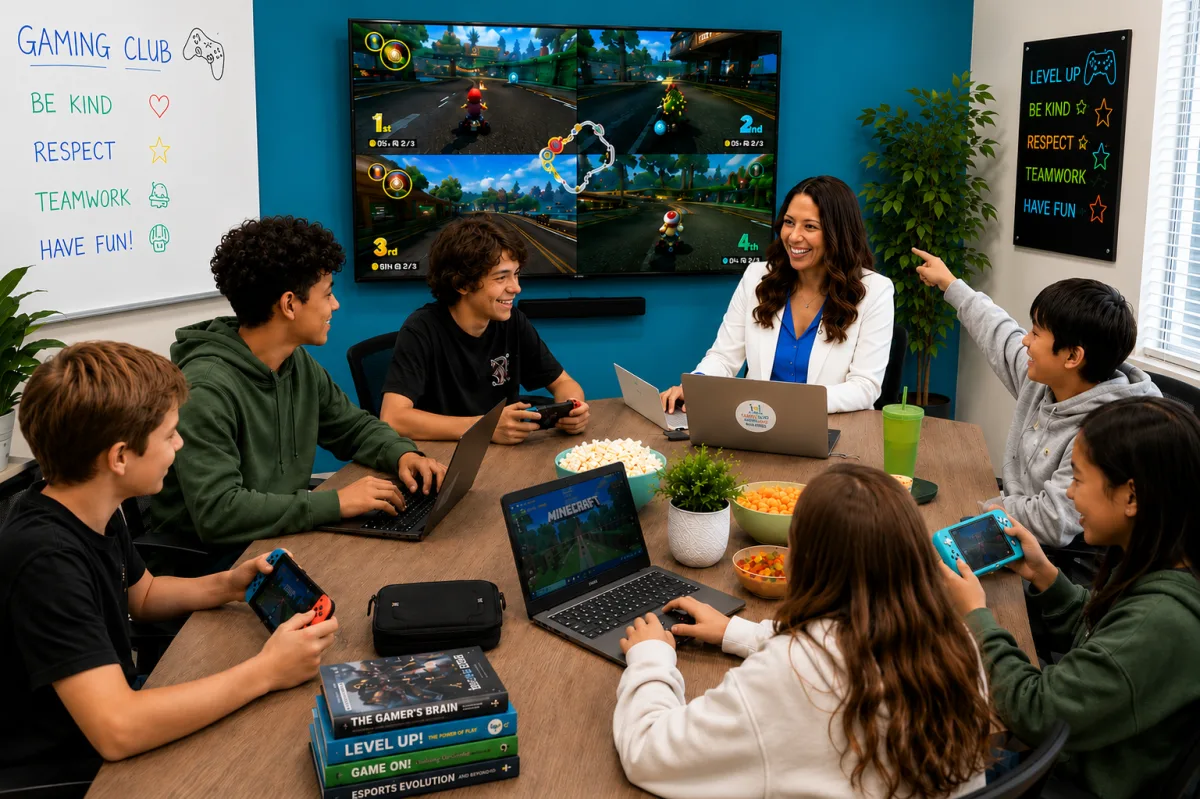
Fridays 4:00 – 5:30pm
Gaming Club
Gaming gives participants something to do together from the moment they arrive. Gaming Club brings children and teenagers together around games, technology and collaborative activities — a small, structured space where interaction can happen around a genuine shared interest. Participants can play, collaborate, talk about games, or simply spend time alongside people who enjoy some of the same things they do.
Explore Gaming Club
Expressions of Interest
More Groups Built Around Shared Interests
Not everyone connects through gaming. We’re also collecting Expressions of Interest for other small groups built around shared interests, including LEGO, art and Mental Fitness. When enough people with compatible ages, interests and group needs are interested, we can explore whether a group may be viable.
Tell Us What You’re Interested InHow It Works
We Build the Group Around the People Who Are Interested
- 01
Register Your Interest
Tell us which group your child or teenager may be interested in.
- 02
We Look at Interest & Group Fit
We consider age, shared interests, group size and whether the proposed group is likely to be a good fit for the people who have expressed interest.
- 03
We Contact Families
When there is enough interest to explore forming a group, our team contacts families with further information.
- 04
The Group Is Confirmed
Dates and practical details are only confirmed once a viable group can be formed.
An Expression of Interest isn’t a commitment to attend, and it doesn’t guarantee that a group will run.
Looking for a Structured Skills-Based Program?
The Social Space Also Offers Group Programs
The Social Space also offers structured Group Programs including social, emotional and parent programs. These serve a different purpose to Social Clubs — neither is a lower level of the other.