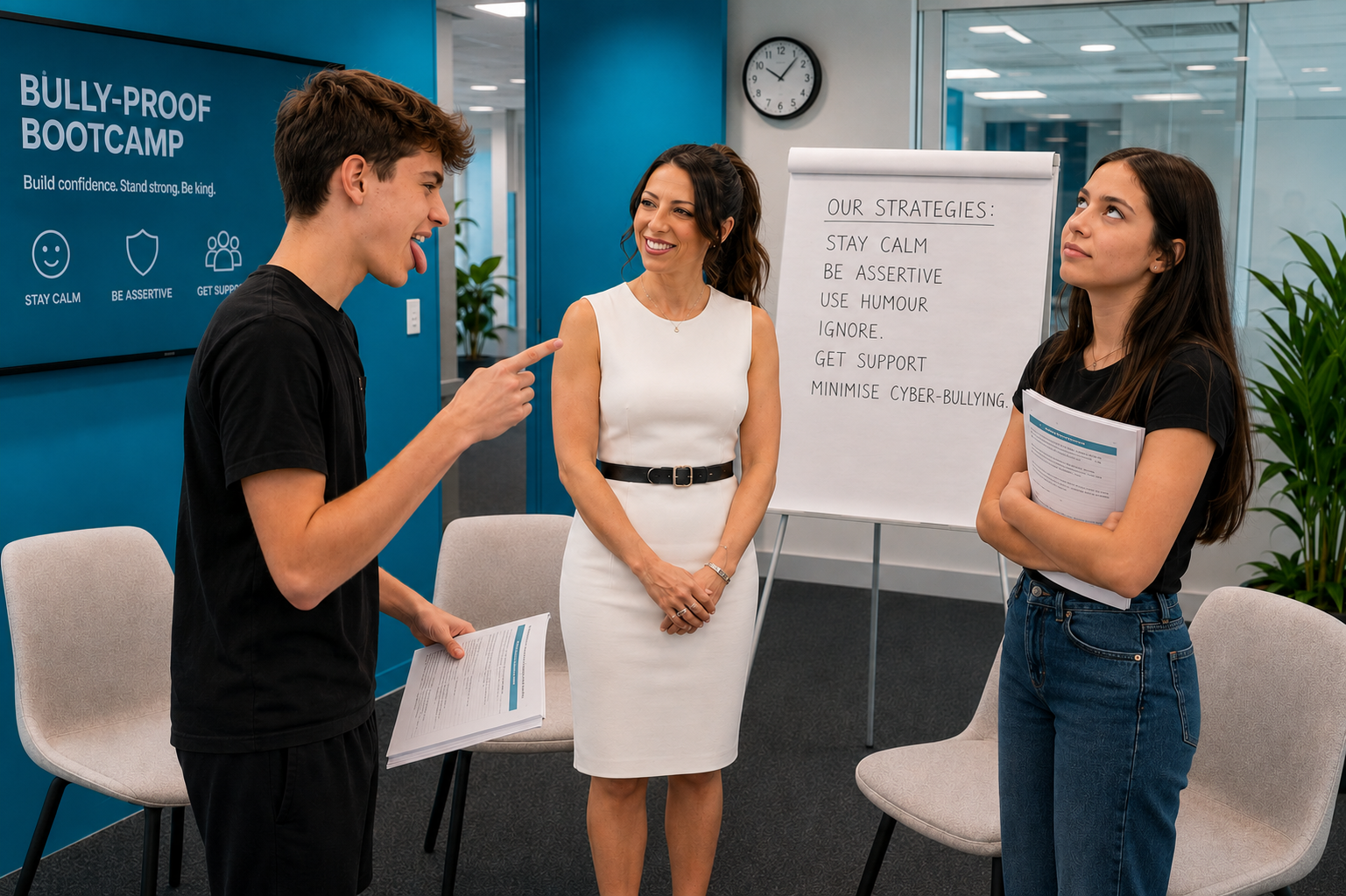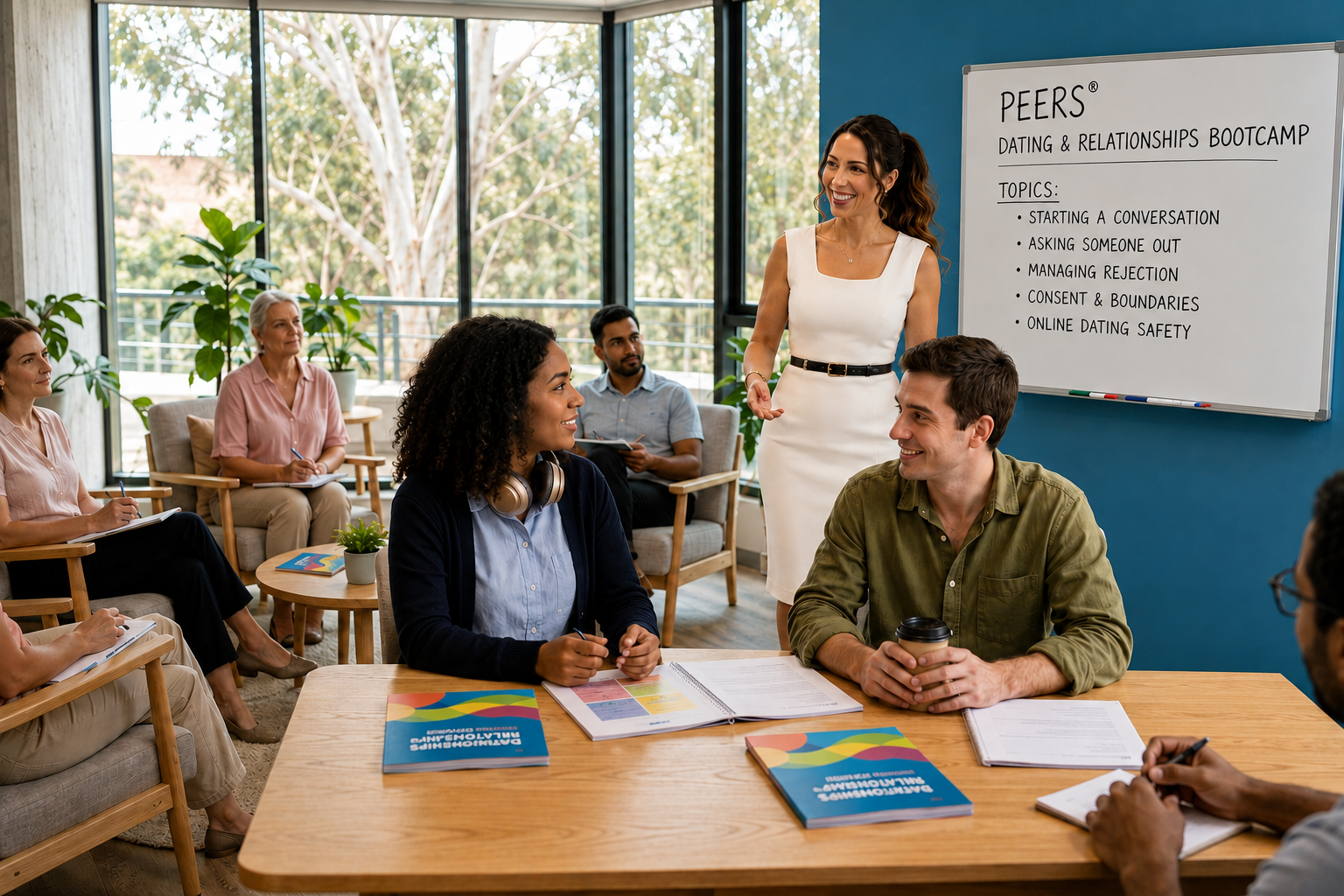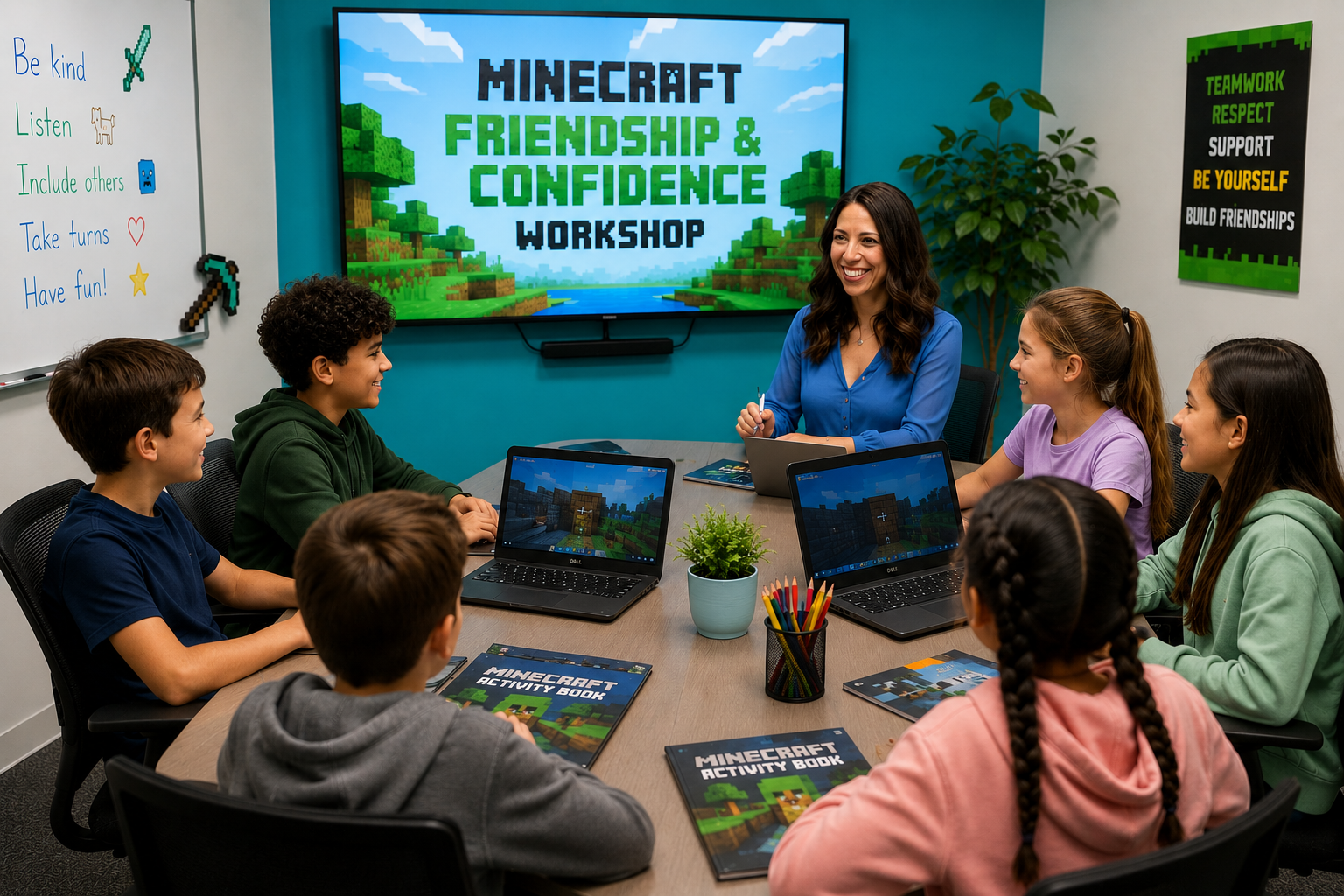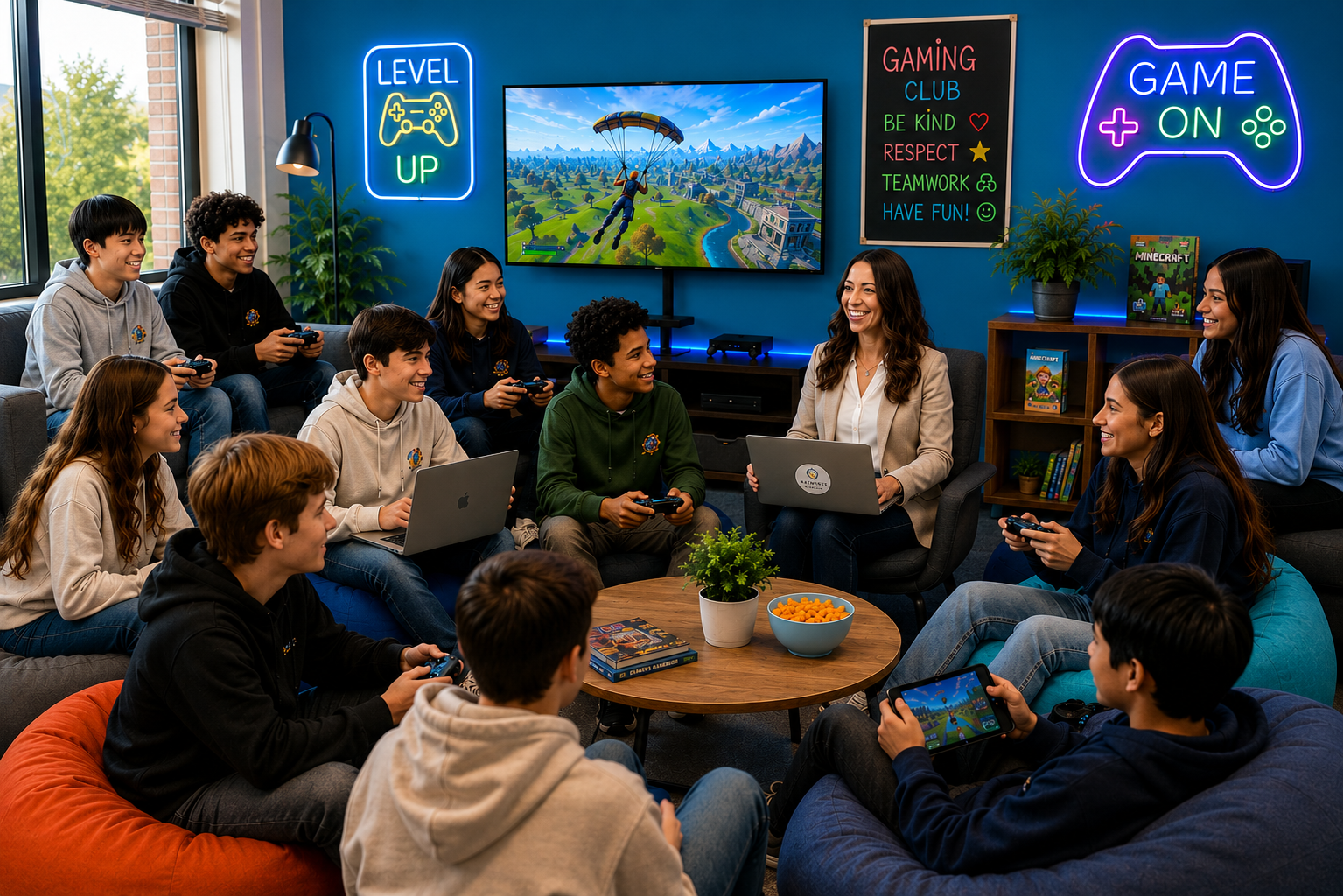
Focused Sessions For Skill Development
At The Social Space Psychology Clinic, our workshops are short-term, structured programs designed to support children and teens in developing specific social, emotional, and communication skills in a focused and engaging format. These workshops are ideal for individuals who benefit from targeted learning experiences, with opportunities to explore practical strategies within a shorter timeframe.
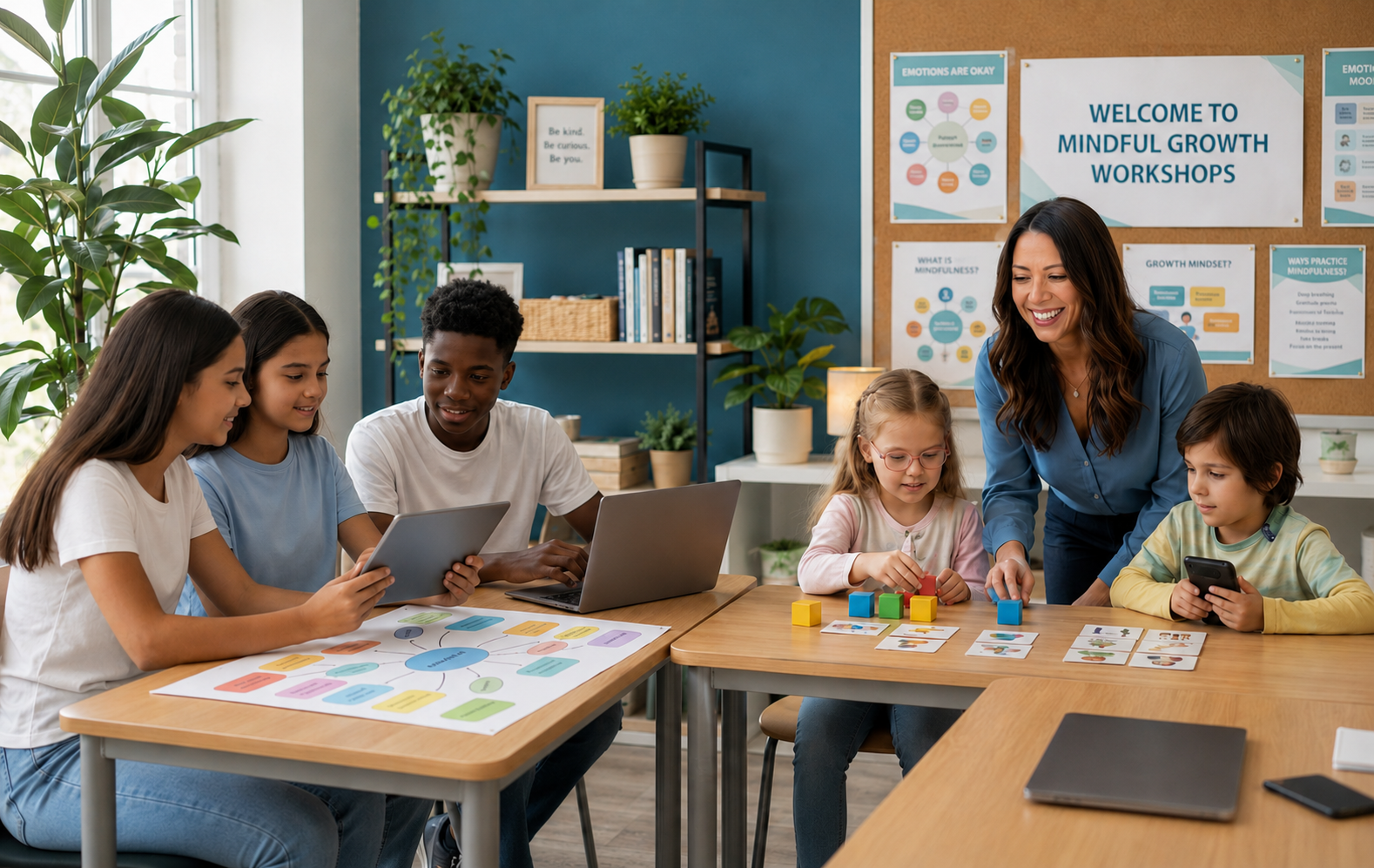
Led by experienced psychologists, our workshops combines evidence-informed approaches with interactive activities, supporting participants to build confidence, develop social understanding, and practise skills in a supportive group environment.
Why Parents Choose Workshops
We understand that some children and teens benefit from focused, short-term support to build specific skills — particularly when challenges around friendships, confidence, or emotional regulation become more noticeable.
Workshops can also be a helpful option for those who may not be ready to commit to longer-term programs, are looking for a more flexible format, or would benefit from a focused introduction to our group programs. They can also support participants in revisiting and reinforcing skills following attendance in a term-based program.
Our workshops provide a structured and supportive environment where participants can engage in practical, hands-on learning, with opportunities to practise and explore new skills in a way that feels manageable and engaging.
What We Support
Who This Is For
Workshops may be suitable for children and teens who would benefit from targeted support in specific social or emotional areas within a structured, short-term format. They are particularly relevant for individuals who experience challenges with social interaction, confidence, or emotional regulation, including neurodivergent young people (such as those with Autism or ADHD) and those experiencing social anxiety.
Our Approach
All workshops are grounded in evidence-informed approaches and are thoughtfully adapted by our psychologists to ensure they are engaging, practical, and accessible. We focus on:
- Structured, small-group environments
- Interactive and experiential learning (not lecture-based)
- Real-life scenarios to support understanding and application
- Opportunities for participation and skill practice
Our aim is to provide a space where participants feel supported to engage, explore, and build skills at their own pace.