
One of the most understandable instincts we have as parents is to protect our children from discomfort.
When they’re excluded from a friendship group, we want to make it right.
When they’re anxious about going to school, we want to remove whatever is causing the anxiety.
When they struggle socially, emotionally or academically, our first thought is often, “How can I make this easier?”
It’s an instinct that comes from love.
As parents, watching our children struggle can feel harder than experiencing the struggle ourselves. We naturally want to shield them from disappointment, failure, conflict and emotional pain.
But psychology has taught us something incredibly important.
Resilience isn’t built by avoiding difficult experiences. It’s built by learning that difficult experiences can be survived.
That statement can sometimes feel uncomfortable because it doesn’t fit with our instinct to protect. It certainly doesn’t mean we should expose children to overwhelming situations or expect them to simply “toughen up.”
In fact, the opposite is true.
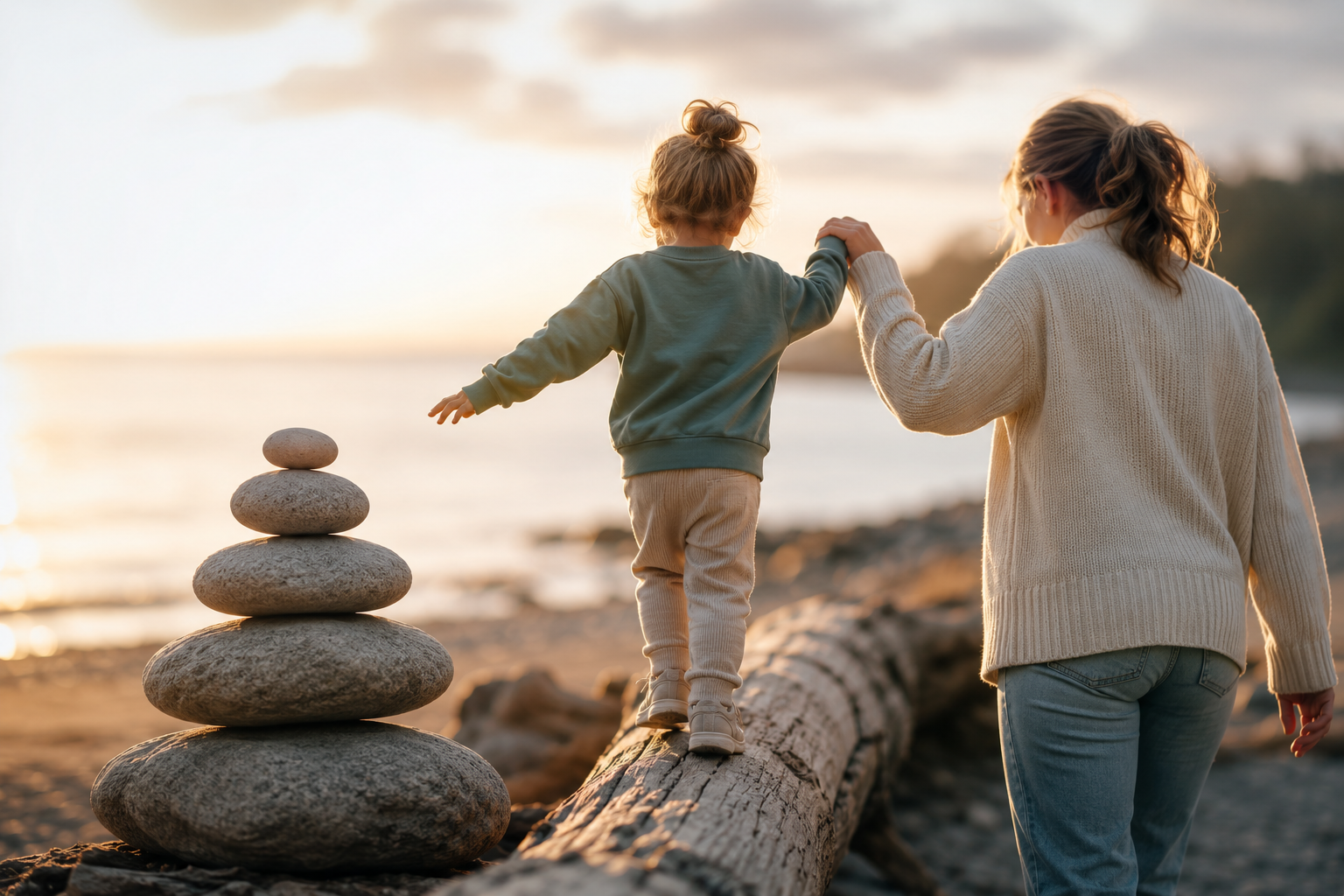
Children build resilience when they experience manageable challenges while feeling supported by safe, trusted adults. They learn that difficult emotions are not dangerous, setbacks are not permanent, and they have the capacity to recover.
The role of parents isn’t to remove every obstacle.
It’s to help children develop the skills to move through those obstacles with increasing confidence.
The Difference Between Protecting and Preparing
There is a subtle but powerful difference between protecting children from every difficult experience and preparing them to cope with life’s inevitable challenges.
Protection often focuses on removing discomfort.
Preparation focuses on building capability.
Because no matter how much we wish otherwise, our children will experience disappointment.
They won’t always be invited.
Friendships will change.
They’ll receive criticism.
They’ll make mistakes.
They’ll feel embarrassed.
They’ll experience failure.
These experiences are part of being human.
Our goal isn’t to eliminate them. Our goal is to ensure our children don’t face them without the emotional tools to cope.
The Skills That Build Resilience
Resilience isn’t a personality trait that some children are born with and others are not.
It is a collection of skills that develop over time through practice, guidance and supportive relationships.
These include learning to:
- recognise emotions before they become overwhelming
- understand what their body is communicating through interoception
- regulate an activated nervous system
- tolerate discomfort without immediately avoiding it
- ask for help when they need support
- solve problems collaboratively rather than relying on others to fix them
- repair friendships after conflict
- recover after disappointment without believing they have failed
None of these skills develop overnight.
They are strengthened through hundreds of everyday moments where children are gently supported to experience challenges rather than being rescued from them.
Emotional Regulation Comes Before Resilience
When we think about resilience, we often imagine children who are calm, confident and unfazed by setbacks.
In reality, resilient children still feel anxious.
They still become frustrated.
They still worry, cry and feel overwhelmed.
The difference is that they gradually learn what to do with those emotions.
They begin recognising:
“My body feels worried.”
“I know some strategies that help me feel calmer.”
“I’ve managed difficult feelings before.”
“This won’t last forever.”
This is emotional regulation.
It isn’t about controlling emotions or pretending difficult feelings don’t exist. It’s about developing the confidence that emotions—even uncomfortable ones—can be understood, managed and tolerated.
And this confidence becomes the foundation for resilience.
The Risk of Solving Every Problem
When children experience distress, stepping in can provide immediate relief.
Sometimes that support is exactly what they need.
Other times, however, constantly removing obstacles can unintentionally prevent children from discovering something incredibly powerful:
“I can cope.”
Every time a child successfully works through a disappointment, repairs a friendship, calms themselves after becoming overwhelmed or solves a difficult problem with support, they add another piece to their growing belief in themselves.
Psychologists call this self-efficacy—the belief that “I can handle hard things.”
This belief doesn’t develop because life was easy.
It develops because children experience challenge alongside support.
Supporting Rather Than Saving
As parents, we don’t have to choose between compassion and resilience.
We can offer both.
Instead of immediately fixing every problem, we might ask:
“What do you think would help?”
“How can I support you?”
“What have you done before when something felt difficult?”
“Would you like me to help you think through some options?”
These conversations communicate an important message:
“I believe you can do hard things, and you don’t have to do them alone.”
Children don’t need adults who remove every challenge.
They need adults who remain steady while helping them develop the confidence and skills to navigate those challenges themselves.
Building Lifelong Skills
At The Social Space Psychology Clinic, we often remind families that our role isn’t simply to reduce difficult moments.
It’s to help children build the lifelong skills that allow them to face those moments with increasing confidence.
We focus on developing emotional regulation, self-awareness, communication, flexible thinking, problem-solving and healthy relationships because these are the foundations of resilience.
These skills don’t emerge simply because children get older.
They are taught.
They are practised.
They are strengthened through supportive relationships and everyday experiences.
Resilience isn’t built in one big moment.
It’s built through thousands of small moments where a child discovers:
“This is hard… but I can get through it.”
And perhaps that’s one of the greatest gifts we can give our children – not a childhood free from obstacles, but the confidence that they have the skills, support and inner strength to face whatever life brings.