
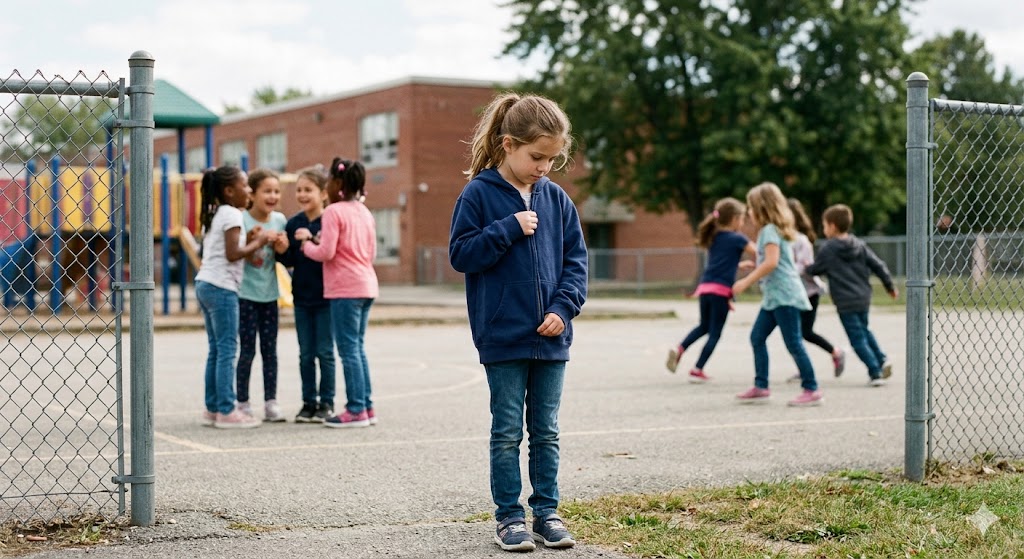
One of the most common concerns parents share is this:
“My child is bright, funny and kind at home… so why do they struggle to make friends?”
Many children want friendships deeply but find the social world confusing. They might stand on the periphery of group play, struggle to start conversations, or come home from school feeling exhausted and misunderstood.
For some children, particularly those who are neurodivergent, social skills don’t develop automatically. They often need to be taught, practiced and supported.
Understanding why some children struggle socially can help parents move from worry to practical action.
Social Skills Are Not Just “Confidence”
One of the biggest misunderstandings about social difficulties is the idea that children simply lack confidence.
In reality, social success relies on a complex integration of a number of skills including:
• Recognising body language
• Knowing how to join conversations
• Understanding humour and sarcasm
• Managing emotions during conflict
• Keeping conversations balanced
Many neurodivergent children do not learn these rules intuitively. Instead, they benefit from explicit teaching and guided practice.
Confidence grows when children know what to do socially.
Why Some Kids Struggle Socially
1. Social Rules Are Often Invisible
Social interactions rely on unwritten rules. For example:
- When is it okay to interrupt?
- How do you enter a conversation?
- How long should you talk about your interests?
Children who struggle socially are often missing these hidden rules, not the desire to connect.
2. ADHD Can Impact Friendships
Children with ADHD may experience challenges such as:
• Interrupting conversations
• Acting impulsively
• Struggling to read social cues
• Emotional intensity
Peers may misunderstand these behaviours, which can lead to repeated social rejection.
Over time this can affect confidence and increase anxiety.
3. Autism Can Affect Social Communication
Autistic children may experience differences in:
• Interpreting non-verbal communication
• Understanding social nuance
• Managing unpredictable peer interactions
Importantly, many autistic children want friendships deeply but may not know how to navigate the complex rules of social interaction.
4. Emotional Regulation Plays a Big Role
Friendships require emotional flexibility.
Children must be able to:
• Handle losing games
• Tolerate teasing
• Recover from awkward moments
When emotions become overwhelming, social interactions can quickly break down.
The Good News: Social Skills Can Be Taught
The most important thing for parents to know is that social skills are learnable.
Evidence-based social skills programs help children learn:
• How to start conversations
• How to enter group play
• How to read social cues
• How to manage rejection
• How to build real friendships
These skills are best developed through structured practice with peers.
What Parents Can Do
Parents play a powerful role in supporting social development.
Helpful strategies include:
• Practising conversation skills at home
• Role-playing social situations
• Encouraging structured peer activities
• Teaching emotional regulation skills
Many families also find that structured social skills groups provide the opportunity for children to practice these skills in a safe and supportive environment.
Final Thoughts
If your child struggles socially, it does not mean they are unlikeable, incapable, or destined to be lonely.
Often it simply means they need a clearer roadmap for navigating social situations.
With the right support, children can develop the skills and confidence needed to build meaningful friendships and feel more understood in the world around them.
At The Social Space Psychology Clinic, our evidence-based group programs help children and teens build the skills needed to develop friendships, confidence and emotional resilience.
If you’re curious about how structured social skills programs work, we regularly run programs designed to support young people who want connection but need guidance navigating the social world.