
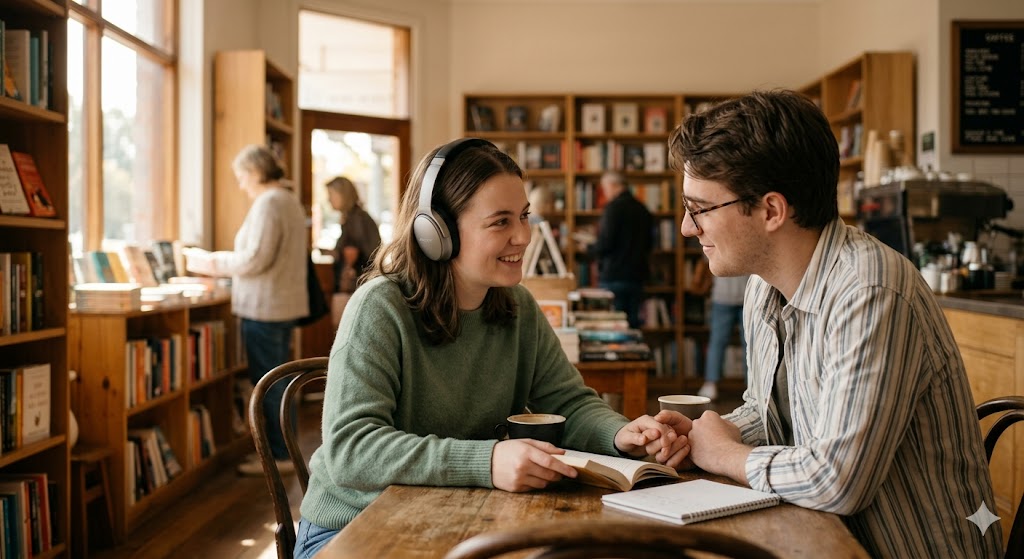
Valentine’s Day often brings conversations about love, relationships, and connection. In recent years, the popular series Love on the Spectrum has opened an important and heartfelt window into the dating experiences of autistic young adults. The show highlights something we see every day in our clinic: the desire for meaningful connection is universal.
Autistic adolescents and young adults often want friendships, romance, and partnership just like anyone else. What can differ is not the desire—but the access to clear guidance, safe opportunities to practice, and the confidence to navigate the social world of dating.
Dating Can Feel Confusing Without Clear Social “Rules”
Dating relies on many unwritten social expectations. Things like knowing when someone is interested, how to show interest appropriately, how to flirt, or how to ask someone on a date are rarely taught directly. Instead, most people learn through observation and trial and error.
For autistic young people, these unspoken rules can feel unclear or overwhelming. Questions we often hear include:
- How do I know if someone likes me?
- How do I tell someone I like them without feeling embarrassed?
- What should I say on a date?
- How do I know if someone is the right partner for me?
Without support, uncertainty in these areas can lead to anxiety, avoidance, or negative experiences that impact self-esteem.
Confidence Comes From Learning and Practicing Skills
One of the key messages from Love on the Spectrum is how powerful it is when autistic individuals are given coaching, encouragement, and structured opportunities to practice dating skills. When social expectations are explained clearly and practiced in supportive environments, confidence grows.
Social skills related to dating can absolutely be learned. These include:
- Recognising signs that someone may be interested
- Identifying appropriate and respectful ways to flirt
- Expressing interest clearly and confidently
- Asking someone on a date
- Understanding dating etiquette and boundaries
- Learning the “do’s and don’ts” of healthy relationships
Importantly, these skills empower young people to pursue relationships safely, respectfully, and authentically.
Choosing the Right Partner Matters
Healthy relationships are built on mutual respect, shared interests, and emotional safety. Many young adults benefit from explicit guidance on how to identify partners who are kind, supportive, and compatible.
Learning how to recognise red flags, respect personal boundaries, and advocate for one’s own needs helps build not just relationships—but self-respect and independence.
How Structured Programs Like PEERS and Dating Bootcamps Help
Evidence-based programs, such as the PEERS® for Young Adults program and targeted dating bootcamps, provide structured and supportive environments where young people can learn and practice these skills.
These programs focus on practical, real-world strategies such as:
- How to appropriately show romantic interest
- How to start and maintain conversations
- How to use humour and flirting respectfully
- How to ask someone on a date and handle different responses
- Understanding dating etiquette and expectations
- Building confidence through role-play and guided practice
Participants are able to practice with peers, receive feedback, and develop skills in a safe, supportive setting.
Love Is About Feeling Seen, Accepted, and Confident
Valentine’s Day reminds us that love is not about perfection—it’s about connection, understanding, and authenticity. Every young person deserves the opportunity to build meaningful relationships and to feel confident expressing who they are.
With the right support, guidance, and opportunities to learn, autistic young adults can develop the skills and confidence needed to navigate dating and relationships successfully.
At The Social Space Psychology Clinic, our PEERS® Young Adult programs and Dating Bootcamp are designed to support young people to build confidence, understand relationships, and develop the skills needed to pursue meaningful connections.
Because everyone deserves the chance to experience connection, belonging, and love.